One of our favorite features about Charlotte Nature Museum is the outdoor deck and Paw Paw Nature Trail. Often we hear the screech of red-shouldered hawks or catch a glimpse of barred owls perched in the branches peering down at us.
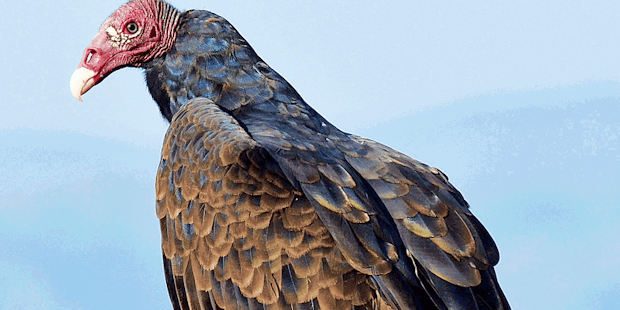
These two species of raptor prefer the same moist woodland habitat and eat similar foods. Red-shouldered and barred owls eat small mammals, birds, reptiles, amphibians, and insects. The term, raptor, is associated with powerful feet used to catch prey, great vision, a hooked beak and a meat-eater.
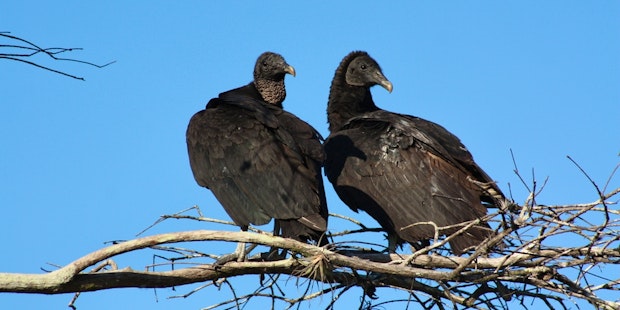
These birds can be found across our state soaring high in the sky, diving after prey, or perched on tree branches, telephone wires, light posts and even stop signs. Many raptor species have similar markings making identifying them by sight a... Keep reading.
It used to be when we thought of farming we envisioned a dirt road, rolling pastures and neatly plowed fields of vegetables somewhere
but not here.
But, the urban farm movement has taken hold in Charlotte with families raising chickens and growing vegetables year round in their backyards or on community plots.
From the egg to the chicken or seed to fruit, families are beginning to understand the value of knowing where their food comes from and how it gets to their table.
Children are fascinated with farm life.
What do the animals eat? Who picks the vegetables? Where do the animals sleep? Who takes care of the animals when they are sick? How come fruit from my garden tastes or looks different from what I buy from the store?
As we continue on our quest to... Keep reading.
During a recent visit to Charlotte Nature Museums, Trails End Store, my seven-year-old purchased a Venus flytrap (Dionaea muscipula)for himself and his teacher. His teacher lives on a farm and often shares stories about the flies on the horses. He was very happy about his pet plant purchase. All the way home he held the plant in his small hands talking to it, observing its modified leaves, looking around for flying insects wondering which unlucky creature who lingered a little too long would become his plants next meal.
Venus, as we affectionately call her, now lives in our breakfast nook. My son placed her in a shallow bowl, is careful only to give her distilled water and makes sure the blinds are positioned to allow the right amount of sunlight. Before we could... Keep reading.
What fun we had during Charlotte Nature Museums Earth Day Celebration! The vermicompost bins were a huge hit and many of you left with worms and bins ready to start composting at home.
Here are a few tips to help for a successful bin:
- Use old newspapers, paper bags, computer paper for bedding do not use glossy, coated paper or magazines
- Remember to keep the bedding moist using a spray bottle to keep it wet (it should remain as wet as a moist sponge)
- You can add a little soil and eggshells to the bin to provide grit for the worms, (two handfuls should be enough)
- Feed your worms any non-meat food products including vegetables, fruits, egg shells, tea bags, coffee grounds and shredded garden waste
- Do not add too many citrus fruits (as this will make the... Keep reading.
During Februarys Creature Feature, The Great Backyard Bird Count, we asked you, citizen scientists, to help us count the birds in our backyard.
The results are in and the data collected from Charlotte Nature Museum combined with information collected across the nation provides a real-time snapshot of the current bird population continent-wide.
Museum staff and citizen scientists counted 13 species and 33 birds, including two tufted titmouse (Baeolophus bicolor) pictured here.
Do you see a lot of birds in your backyard? What do they look like?
What is the age of our home, Earth? 100 million-years-old? 1 billion? Its approximately 4.54 billion-years-old. Now, thats old.
As Earth Day approaches and we prepare to celebrate on April 18, we are thinking of ways to keep our planet healthy for millions of years to come ...
How do you plan to celebrate Earth Day?